Guide
Now you can experience a completely new candle-burning solution.
- Easily refillable ceramic design candle – refills available separately.
- Unique 9 cm wide candle flame.
- The flame remains at the same height at all times.
- The fuel consists of 100% natural materials (no paraffin, palm wax, or soy wax used).
- Wick material: 100% natural fibers; heat system – recycled aluminum.
- Innovative wick with heat transfer and flame control system.
- No afterglow.
- No wick swelling.
- The flame is not in direct contact with the molten wax, preventing full wax ignition.
- The candle container does not become dangerously hot on the outside.
- High-temperature resistant ceramic container with a lid for long-term use.
- Can be re-lit multiple times.
- Easily extinguished by blowing.
Jump to a topic below:
1. Warning signs
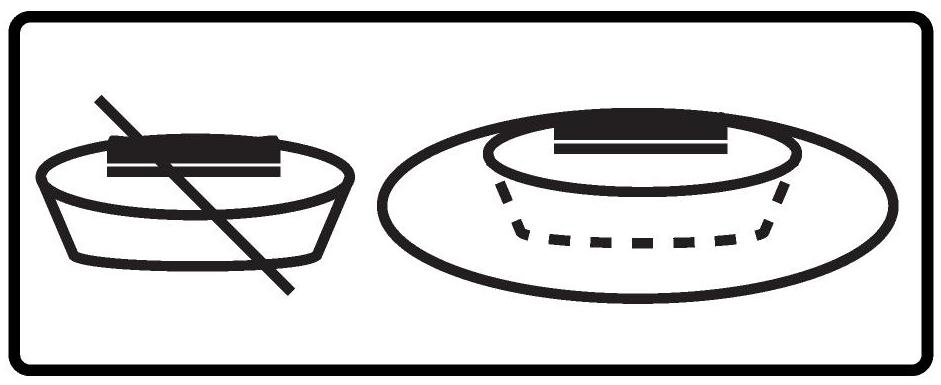
The Refill is intended for use only in Candlewide’s special original container with a lid.
Never leave a burning candle unattended.
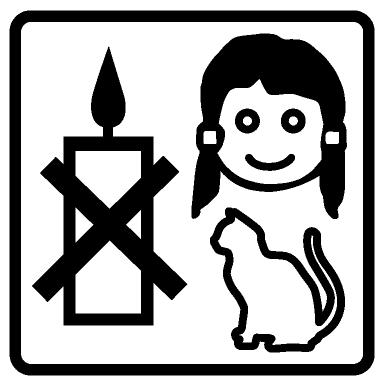
Keep away from children and pets
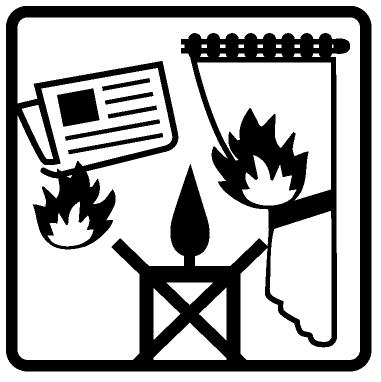
Keep away from things that can catch fire
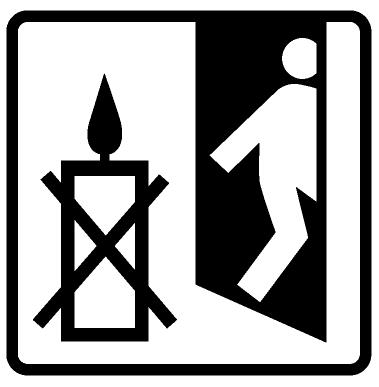
Do not burn in draught
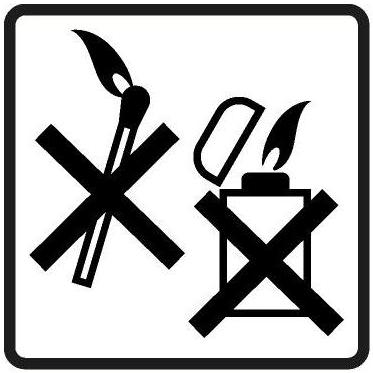
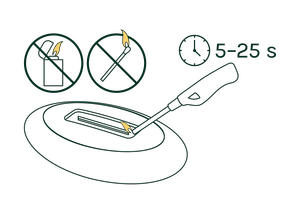
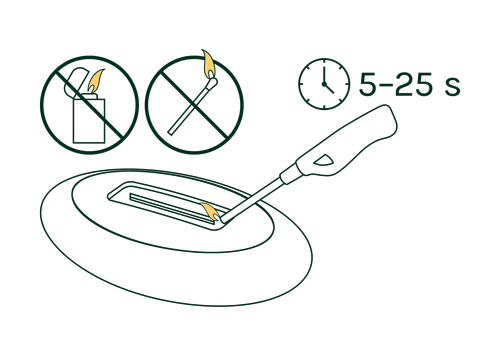
Do not use any matches or small lighter to light the candle
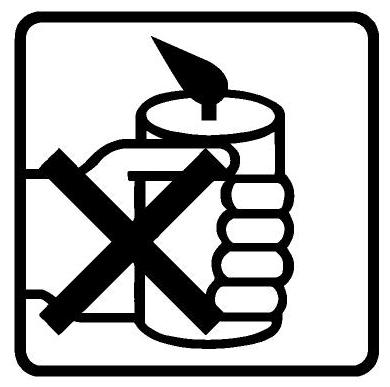
Do not move a burning candle
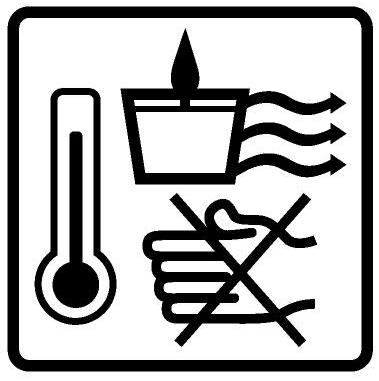
Do not touch, may be hot
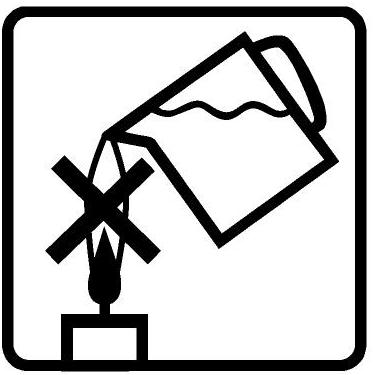
Never use liquid to extinguish
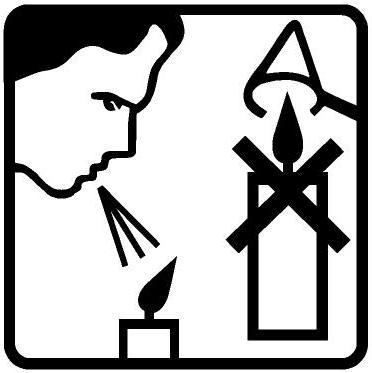
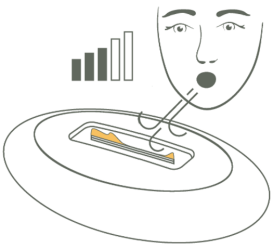
Blow out the flame with a short puff of air – do not extinguish it by smothering
Do not attempt to adjust the candle container or wick with tools, as this may damage parts of the candle.
2. Candle usage location
– Use indoors, away from flammable objects, and avoid drafts. Choose a heat-resistant surface for burning. Never leave the candle unattended, and keep it out of reach of children and pets.
Do not burn the candle in areas with strong air movement, such as directly in the airflow of a room ventilation system.
For example, a delicate or glued veneer table may not be a suitable surface for burning the candle, as prolonged heat exposure could soften the glue and cause the veneer to detach (though no such incidents have been reported so far). Additionally, the candle should not be placed too close to a wall, as the heat from the flame may affect the paint or wallpaper. It is also essential to avoid burning the candle on any shelf where there is another shelf or a wall cabinet directly above the flame.
3. Lighting the candle
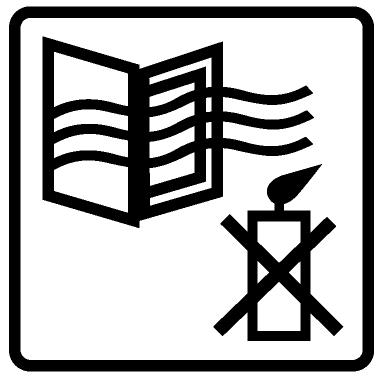
– Before lighting, carefully read the safety instructions provided earlier in this guide!
Use only a gas lighter with an extended nozzle to ignite the candle. Light the long wick strip in the center from one corner, holding the flame until the wick catches fire (5-25 sec). Once ignited, the flame will gradually spread across the entire horizontal wick within a few minutes.
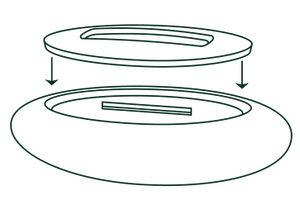
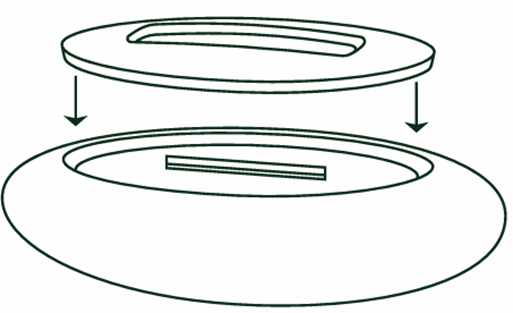
The refill is intended for use only with the original Candlewide special container with lid. Any other use of the refill is prohibited, as the product will not function as intended without the dedicated candle holder and may pose a safety risk. Only a gas lighter with an extended nozzle is suitable for lighting. A jet-flame torch is ideal, but a standard gas flame lighter is also suitable. The ceramic container must always have the lid on during lighting and burning.
Under no circumstances should you touch or bend the wick band protruding from the surface of the refill. Do not touch or bend the wick band during burning or between burning sessions either. Touching the wick band may damage it, which can affect the shape of the flame.
Manipulating, breaking, or altering the wick band structure may pose a fire hazard!
4. Extinguishing the candle
– Blow out the flame briefly from the longer side of the candle. Do not use other methods for extinguishing, such as smothering or using liquid.
To extinguish the flame, blow only from the side. Do not lean your head over the candle flame or attempt to blow from above — always blow from the side. Use a moderate puff of air, or several consecutive puffs if the flame doesn’t go out immediately.
After extinguishing, the candle wax remains hot and liquid for some time, so be careful when moving the candle. Do not tilt the candle while it is burning or after extinguishing it, as long as the wax is still molten.
If you notice that the wick band is excessively off-center after extinguishing, you can gently nudge it from the metal base to reposition it — but only if the wax is fully melted all the way to the bottom.
5. Removing the wick from an empty candle pot & cleaning the pot
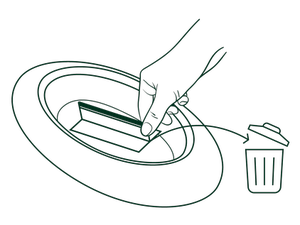
– Once the candle has burned out, the wick can be removed simply by gripping one end and pulling it out.
There may be a small amount of wax between the wick and the bottom of the pot that keeps it attached. With normal force, you should be able to pull the wick free. Dispose of the used wick with regular household waste.
The wick is made from already recycled aluminum sheet and 100% natural fiber fabric. The wax residue in the wick material is also made from 100% natural vegetable oil. Therefore, the wick materials are not hazardous. If the candle has burned out normally, there is no need to clean the pot. You can simply place the next Candlewide Refill into the pot, put the lid on, and the candle is ready to use again.
6. Refilling a candle with refill
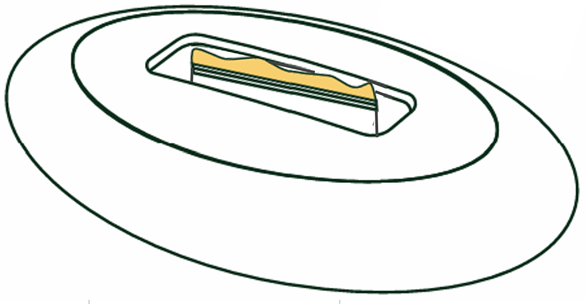
When the Candlewide candle pot has burned out and the used wick has been removed, take a new Refill from its box and place it into the ceramic pot, making sure to also put the ceramic lid back on. After that, light the candle in the same way as you did with a new one.
7. Burning cycles
– The candle can be burned in different time cycles according to your needs and preferences. It takes about 30 minutes for the candle to start melting the entire wax surface. A good continuous burning time is at least 1 hour.
If the candle is burned multiple times in very short cycles, the wax may only melt around the wick. To avoid this, it is recommended to burn the candle for at least 1 hour periodically to ensure the entire wax surface melts. This prevents wax residue from accumulating at the edges. The candle functions best when, upon relighting, the wax surface is even.
When the candle is burned for a shorter time and some wax remains solid, a crystal pattern — typical for truly natural waxes — may appear on the surface.
This doesn’t affect the burn quality but can give the wax a textured, foamy, or uneven look.
If the candle has almost burned out, it’s best to let it burn to the end so that no wax residue remains. If, when relighting, you notice that the base of the wick is becoming visible, make sure to let it burn to the end. If the flame struggles to rise due to a small amount of remaining wax, you can use a gas lighter with an extended nozzle to gently heat the aluminum element of the wick.
Remember: Never leave a burning candle unattended.
8. While the candle is burning
– Before lighting the candle, familiarize yourself with all the safety instructions provided at the beginning of this guide. The temperature of the molten wax can rise up to approximately 100°C. Do not move the lid or the candle itself while it is burning.
If you need to touch or move the candle, first check the temperature by touching the sides gently. Before picking it up with both hands, ensure it is not too hot to handle. The hottest part is around the flame opening in the lid. The pot’s sides generally do not become dangerously hot, but always verify before touching. The coolest parts are the curved ends of the pot.
Since the wick is not fixed to the bottom of the ceramic pot, it may float slightly when the wax is melted all the way to the bottom. In such a case, moving the candle may cause the wick to shift from the center, but the wick base prevents it from moving too close to the edge. If you notice that the wick band is excessively off-center, you can after extinguishing gently nudge it from the metal base to reposition it — but only if the wax is fully melted all the way to the bottom.
Never touch or bend the wick strip protruding from the Refill surface. Do not touch or bend the wick strip while the candle is burning or during breaks between burns. Touching or manipulating the wick strip may damage it, affecting the shape of the flame. Altering, breaking, or modifying the wick strip construction can create a fire hazard!